
Can I Eat Noodles After Wisdom Teeth Removal?
Find out when to try noodles after wisdom teeth removal, how to soften ramen or pasta, which toppings to skip, and how to clean your mouth afterward.
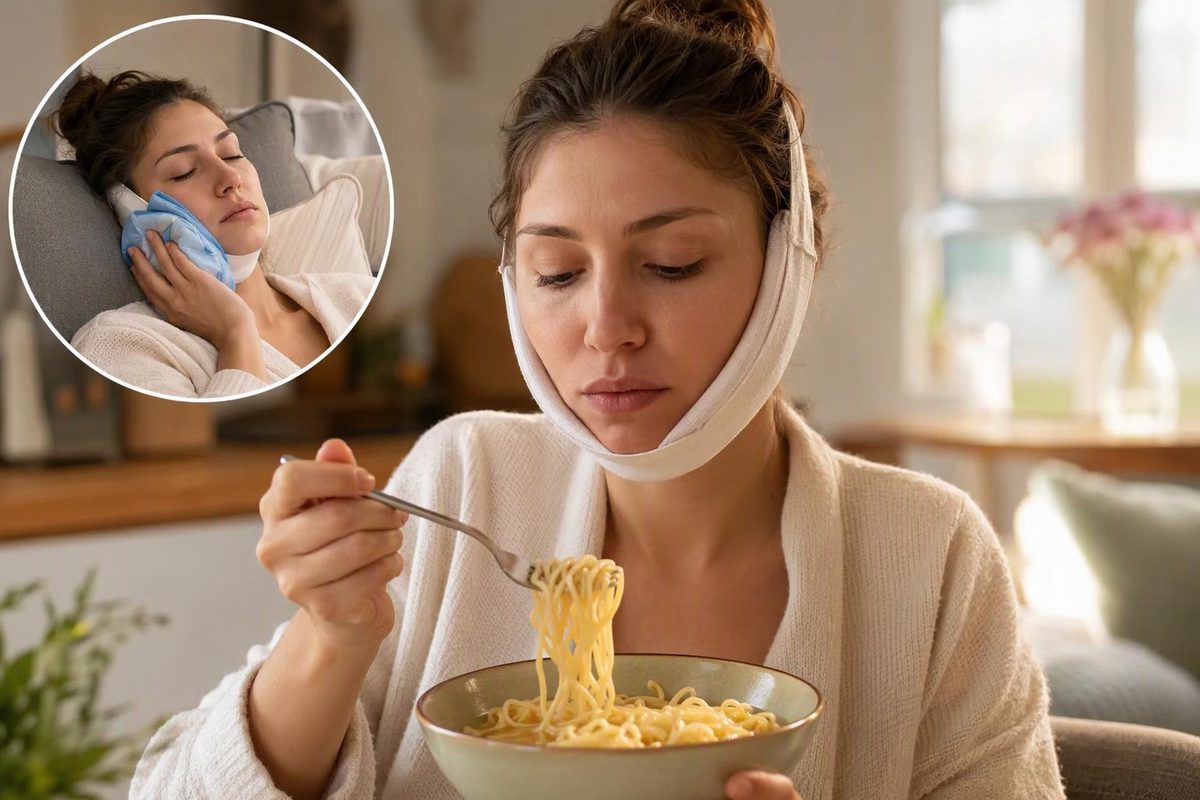
Yes—you can eat very soft noodles after wisdom teeth removal if they are not hot and you can manage them with minimal, comfortable chewing. The American Association of Oral and Maxillofacial Surgeons (AAOMS) includes very soft pasta among foods to add as recovery progresses. That does not mean noodles are suitable immediately after every extraction: your surgeon’s instructions take priority, especially if you have been told to stay on liquids or purées initially. AAOMS food guidance
Choose your eating instructions, numbness status, and noodle preparation to check whether to try them or wait.
Noodle Readiness Check
Your Next Step
Readiness is not established.
Check your eating instructions, whether numbness has worn off, and the meal’s texture and temperature before trying noodles.
This check cannot assess healing or complications. Severe or worsening pain, bleeding that will not stop, or pain with fever or feeling unwell needs dental advice.
Sources: AAOMS food guidance and UCLH extraction aftercare. No universal noodle-specific start day is provided.
Readiness Matters More Than a Specific Day
There is no single day after surgery that makes every noodle dish suitable. A bowl of very soft, cooled macaroni is different from chewy noodles in steaming broth. Your ability to eat comfortably also matters: a meal that requires you to push through pain is not a good choice simply because it is called pasta.
AAOMS recommends a soft diet for the first few days, then gradually adding solid foods as comfortable. Its guidance does not provide a universal noodle-specific start day. Use that progression alongside the instructions you received, rather than treating a recovery-day number as permission to eat your usual meal. AAOMS recovery instructions
On Surgery Day, Smoother Foods May Be Easier
Smooth foods such as yogurt, applesauce, or cooled broth may be easier to manage than noodles on surgery day. Even soft noodles require some handling in your mouth, so there is no need to make them your first food if something smoother is more comfortable.
As a precaution, wait until numbness has worn off before trying food that requires chewing. While numb, you can bite your lip or tongue without realizing it. Avoid hot food and drinks, including hot noodle broth. A soft noodle does not make a steaming meal suitable. UCLH postoperative instructions
If your surgeon has told you to use only liquids or purées initially, whole noodles do not fit that instruction, however long you cook them. Follow the prescribed food texture, and ask the surgical team if you are unsure when to advance.
For the broader decision about starting food—not just pasta—use our checks for when to eat after wisdom teeth removal.
Over the First Few Days, Try a Small Portion
Once your instructions allow soft food and chewing feels comfortable enough, try a small portion of very soft noodles. Starting small lets you judge the actual texture without committing to a full bowl. The first bite should be easy to manage, not something you have to chew repeatedly to make it tolerable.
If the noodles hurt to chew, stop and return to smoother food. Do not keep eating them to test whether the pain will settle. Likewise, if they turn out to be springy or tough, soften them further or choose another meal.
This is a texture-and-comfort decision, not a requirement to progress at a particular speed. Being able to eat one soft pasta dish also does not establish that crunchy toppings, tough meat, or chewy noodles are ready to return to your diet.
Prepare Noodles to Need Very Little Chewing
The practical goal is a soft, cooled meal with no difficult extras. AAOMS advises avoiding hot, spicy, hard, chewy, and crunchy foods during recovery, and avoiding chewing near extraction sites. The preparation choices below apply that guidance to noodles; they are not a separate, tested noodle-recovery schedule. AAOMS food guidance
Cook Beyond Al Dente
Aim for noodles that mash easily with a fork rather than holding a firm, springy bite. Al dente pasta may be pleasant normally, but it does not meet the same practical goal as very soft pasta during recovery.
Cooking time alone is not a reliable test because noodle types differ. Check the finished texture. If a noodle still resists the fork or needs substantial chewing, it is not the version to try yet. The draft guidance does not supply a specific cooking time, and there is no reason to invent one for every pasta shape or brand.
Cut Long Strands Before Eating
Cut spaghetti, ramen, or other long strands into short pieces before taking a bite. This makes small portions easier to manage without slurping a long strand into your mouth.
Short pieces still need to be soft. Cutting chewy noodles does not remove their chewiness, and adding broth does not necessarily make them easier to chew. Treat length and texture as separate preparation checks.
Cool Both the Noodles and the Broth
Let the meal cool to lukewarm or room temperature. Check the broth as well as the noodles; a soft bowl of ramen or pho is not suitable while the liquid is still hot.
There is no temperature figure in the cited guidance used here. The practical instruction is to avoid hot food and drinks, not to aim for an invented numerical cutoff. If the meal is steaming hot, wait rather than trying to work around it with tiny bites.
Keep Sauces and Toppings Soft and Mild
Leave out crunchy garnishes, seeds, tough meat, and chili. Avoid spicy or acidic sauces while the area is sensitive. A mild sauce can make a soft pasta dish easier to manage, but it cannot compensate for a firm noodle or a crunchy topping.
Consider the whole bowl before eating. Soft noodles beneath crisp fried toppings are not an entirely soft meal. The same applies to soft pasta served with chewy meat: remove the difficult parts rather than assuming the pasta makes the dish suitable.
Chew Away From the Sockets Where Possible
If you have an unaffected side and can use it comfortably, chew away from the extraction sites. Keep bites small enough that you do not need to move a large mouthful around to manage it.
If both sides were treated, do not force yourself to find a comfortable chewing side. Choose food that requires very little chewing, or return to a smoother option. The ability to swallow a meal is not the same as being able to chew it comfortably.
Ramen, Pho, Macaroni, and Spaghetti Need Different Adjustments
The name of the dish matters less than its final texture, temperature, and extras. These examples show how familiar noodle meals can fit—or fail to fit—the same soft-food guidance.
| Noodle Dish | Preparation to Try | Leave Out |
|---|---|---|
| Ramen | Very soft, short noodles; cooled broth | Chili and crunchy toppings |
| Pho | Very soft, short noodles; cooled broth | Crunchy vegetables and chewy meat |
| Macaroni and cheese | Soft macaroni with a smooth sauce | Browned, crunchy topping |
| Spaghetti | Soft, cut strands with a mild sauce | Spicy or acidic sauce |
Ramen and Pho Must Be More Than Soft Broth Meals
Ramen or pho may work when the noodles are cooked very soft and cut short. Cool the broth before eating, and skip chili, crunchy vegetables, and chewy meat.
Do not judge readiness by the broth alone. You might be comfortable with cooled broth but not yet comfortable chewing the noodles or toppings. In that case, choose the smoother component that fits your instructions rather than trying to finish the whole bowl.
Macaroni and Cheese Should Have No Crunchy Crust
Soft macaroni without a browned, crunchy topping is a practical option. Check that the pasta itself is tender; a creamy sauce can hide noodles that are still firmer than you want.
Baked macaroni and cheese needs particular attention to the surface. The soft center and crisp topping are different textures. Choose the soft portion without the crust, and let it cool before eating.
Spaghetti Works Better Cut Up With a Mild Sauce
Cook spaghetti until very soft and cut the strands into manageable pieces. Choose a mild, non-acidic sauce rather than spicy tomato sauce while the area is sensitive.
If your usual sauce is uncomfortable, changing the sauce is reasonable—but only if the pasta is also easy to chew. If even plain, softened spaghetti hurts, switch back to smoother food instead of continuing to modify the dish.
Stop the Meal if Chewing Is Painful
Noodles are an option, not a recovery milestone you need to reach. If a bite causes pain, requires more chewing than expected, or is difficult to manage around the extraction sites, stop and choose something smoother.
For an ordinary preparation problem, the adjustment is straightforward: cool a hot meal, soften a firm noodle, cut a long strand, or remove a crunchy topping. But do not use meal adjustments to explain away severe or worsening symptoms. Those need dental assessment.
Your surgeon’s restrictions also remain in place even if you feel capable of eating. Comfortable chewing does not override an instruction to stay on liquids or purées. If the written advice is unclear about advancing your diet, the surgical team is the appropriate place to clarify it.
Clean Up According to the Time Since Extraction
During the first 24 hours, do not rinse, spit, or poke at the sockets. Finding a bit of food near the area does not change that instruction. Do not try to remove it with your tongue, finger, or a utensil.
After 24 hours, gently rinse with warm salt water, particularly after meals, unless your surgeon gave you a different schedule. The distinction is between no rinsing initially and gentle rinsing later—not between leaving the mouth alone forever and aggressively cleaning the sockets. UCLH aftercare guidance
If you think a noodle fragment is lodged near a socket, do not dig for it. Follow the cleaning instructions appropriate to your stage of recovery. Contact the surgical team if debris remains bothersome rather than repeatedly trying to dislodge it yourself.
The guidance cited here does not supply a special noodle-cleaning method. Pasta does not justify an exception to the initial no-rinsing period, and a concern about food does not make poking into the extraction site advisable.
Worsening Symptoms Need Dental Advice, Not Softer Pasta
Seek prompt dental advice for bleeding that will not stop, severe or worsening pain or swelling, or pain accompanied by a bad taste, fever, or feeling unwell. These symptoms need assessment rather than another attempt at eating a softer meal. NHS warning signs
Keep the eating decision separate from the symptom decision. A firm noodle that is uncomfortable to chew is a reason to stop that meal. Severe or worsening pain, persistent bleeding, or feeling unwell is a reason to contact a dental professional.
The workable noodle meal is simple: very soft pasta, cut short when needed, cooled, and free of crunchy or chewy additions. Try it only when your postoperative instructions allow it and you can manage it comfortably. This is general recovery information, not a substitute for the instructions or assessment of your surgical team.